
Soft close Kitchen cabinet hings 2D 3D
₨195.00 ₨260.00
Discover the finest selection of premium door hardware accessories all under one roof — from robust hinges and elegant handles to high-security locks, sophisticated door stoppers, and decorative knockers. We’ve carefully curated top-quality components to ensure every door in your home or office not only functions flawlessly but also elevates your décor. With durable materials, sleek finishes, and dependable performance, our range offers both style and strength — so you can choose accessories that matches your aesthetic and secure your space with confidence. Shop with us for one-stop convenience, expert guidance, and hardware solutions built to last
Quantity:
Categories:
Product Description
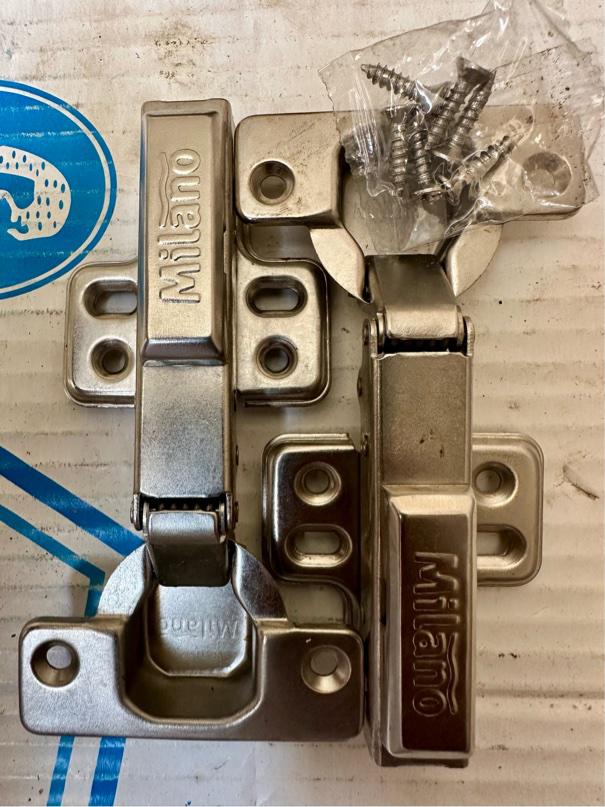
Milano soft close specifically a type of concealed or Euro-style hinge, often used on kitchen cabinets and other furniture with doors.
🪛 Key Features and Function
These hinges are popular because they offer a clean look as the hinge mechanism is mostly hidden inside the cabinet.
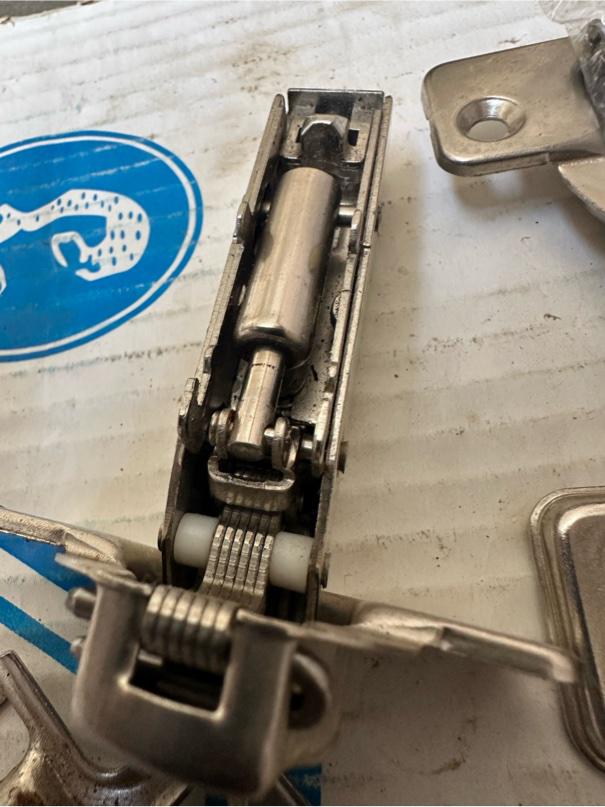
* Self-Closing Mechanism: They usually incorporate a spring mechanism that pulls the door shut automatically when it gets close to the frame. The hinge in your image appears to have this feature.
* Adjustability: A major benefit is that they are highly adjustable (three-way adjustment). This allows you to fine-tune the door's position after installation to ensure it aligns perfectly with the cabinet frame and neighboring doors. The adjustment screws are typically visible on the part that attaches to the cabinet box.
* Two Main Parts:
* Hinge Cup/Arm: The larger part that is visible in the image. The cup (or bore) is screwed into a drilled hole (typically 35mm) on the inside of the door. The arm extends from the cup.
* Mounting Plate/Base Plate: The flatter, smaller piece shown to the right in the image. This piece is attached to the cabinet's inner side panel. The hinge arm snaps onto or screws into this plate.
🚪 Common Types
These hinges come in different "overlays," which determine how the door sits relative to the cabinet frame:
* Full Overlay: The door completely covers the cabinet opening and edges of the cabinet box.
* Half Overlay (or Partial Overlay): Used when two doors share a single common vertical side panel (or stile).
* Inset: The door sits inside the cabinet frame, flush with the edges of the cabinet box.
The style of the hinge arm shown in your image suggests it is likely a Full Overlay hinge, which is the most common type.
Do you need help with identifying the specific overlay type or instructions on how to install this hinge?