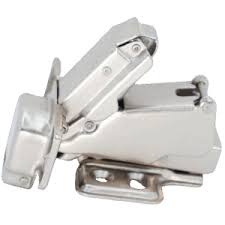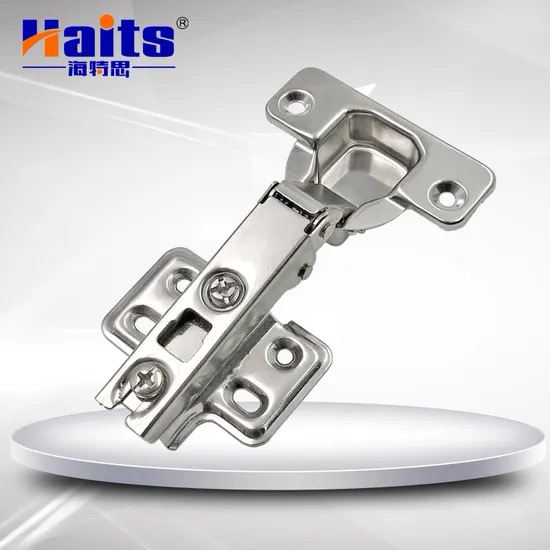
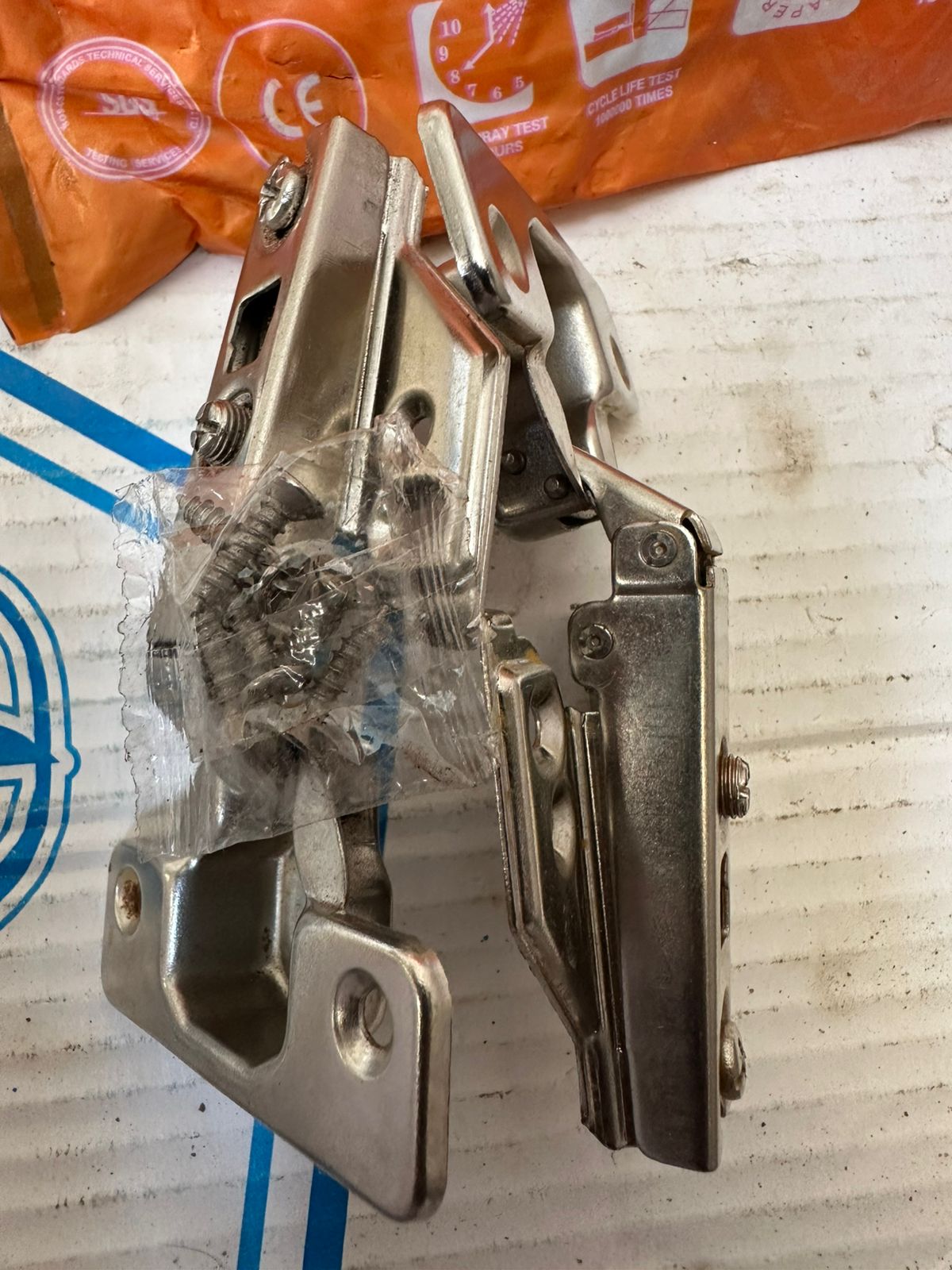
Kitchen cabinet hings 0 digree
₨80.00 ₨95.00
Discover the finest selection of premium door hardware accessories all under one roof — from robust hinges and elegant handles to high-security locks, sophisticated door stoppers, and decorative knockers. We’ve carefully curated top-quality components to ensure every door in your home or office not only functions flawlessly but also elevates your décor. With durable materials, sleek finishes, and dependable performance, our range offers both style and strength — so you can choose accessories that matches your aesthetic and secure your space with confidence. Shop with us for one-stop convenience, expert guidance, and hardware solutions built to last
Quantity:
Categories:
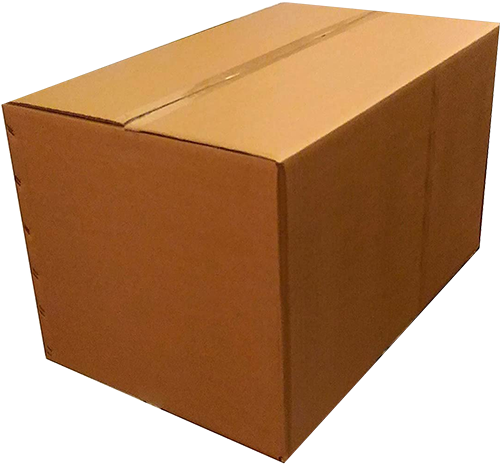
You can Order Carton
Available to order.
Carton Price : ₨8,000.00
Total items : 100
For order carton contact on
03472698544
info@ks-store.pk
03472698544
info@ks-store.pk
Product Description
Specifically a concealed hinge (also known as a European or Euro hinge).
🚪 Key Features and Function
Concealed hinges are commonly used on cabinet doors and furniture because they are mounted inside the cabinet and are generally hidden from view when the door is closed.
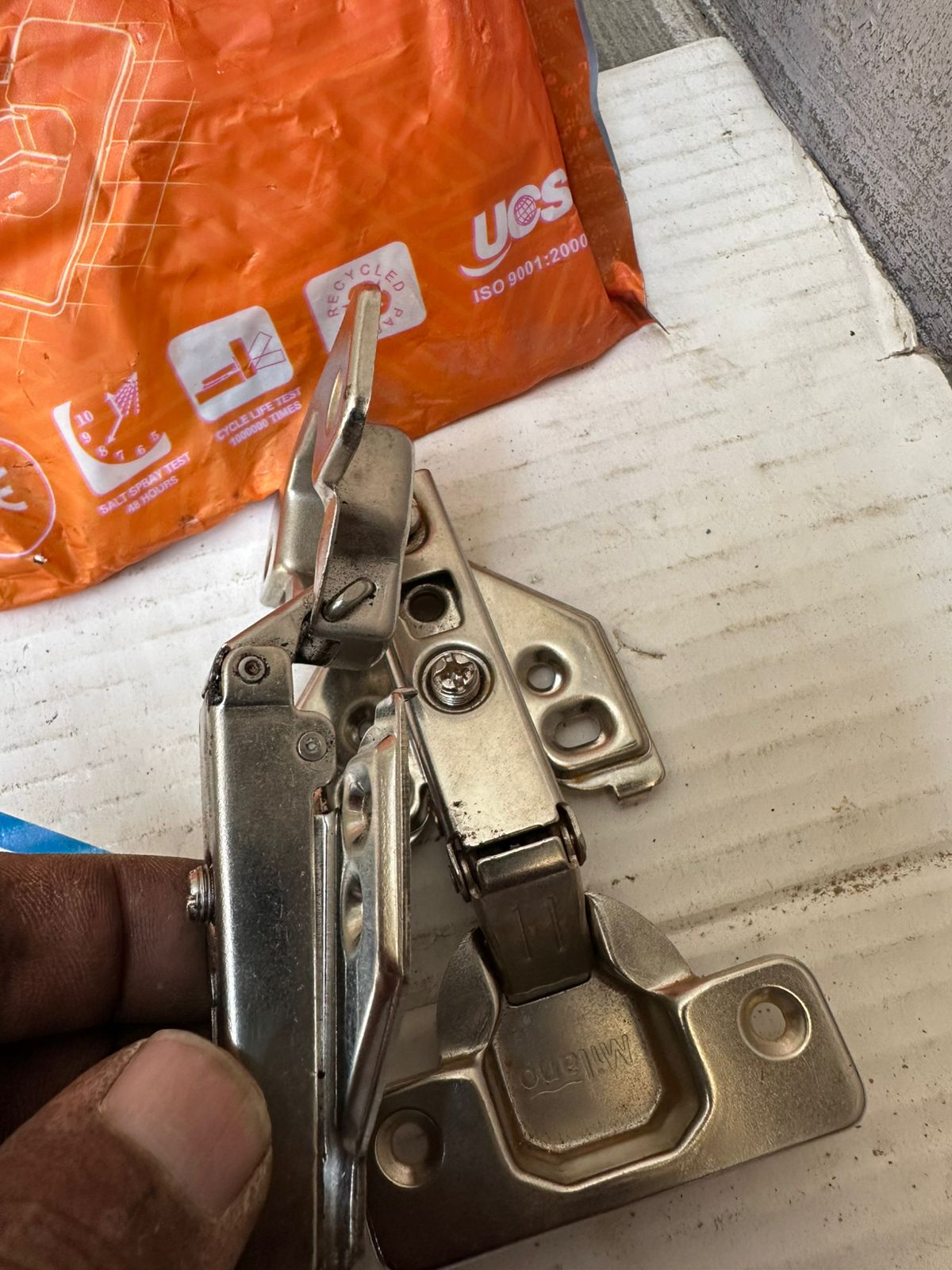
* Cup: The large, circular part (visible at the bottom right, stamped "Milano") is called the cup or boss. This part is typically recessed into a bored hole in the cabinet door.
* Arm/Body: This is the main linkage that connects the cup to the mounting plate and provides the pivoting action.
* Mounting Plate: The separate piece (visible at the top right) that is screwed to the inside wall of the cabinet frame. The arm of the hinge clips or screws onto this plate.
* Adjustability: A defining feature of these hinges is their 3-way adjustment using screws on the arm and mounting plate. This allows the installer to precisely align the cabinet door:
* In/Out (Depth): Adjusts how far the door closes against the cabinet face.
* Side-to-Side (Lateral): Adjusts the gap between doors or the door and the cabinet side.
* Up/Down (Vertical): Adjusts the height of the door.
🛠️ Contextual Information
The hinge appears to be a full overlay or half overlay type, given the bend in the arm, which is typical for standard cabinet construction. The orange bag in the background has logos for UOS and ISO 9001:2000, suggesting it's packaging for hardware or a related manufactured product, and the hinge itself is from a brand called
Would you like to know how to install or adjust this type of cabinet hinge?